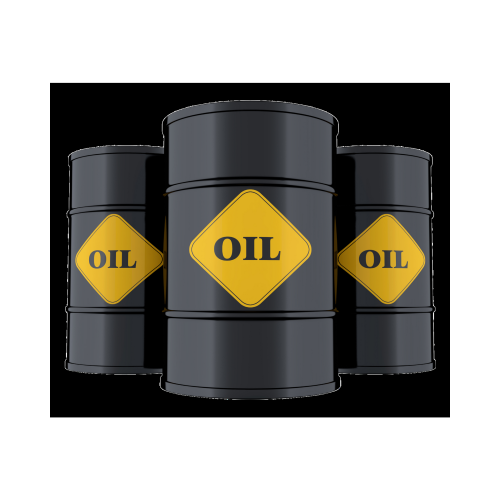
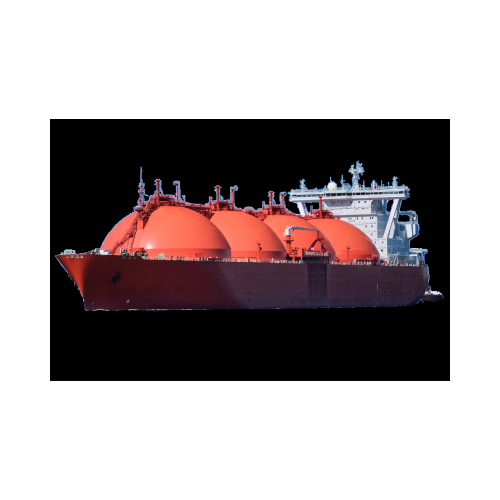
Crude Oil Supply
Heavy and Light Grades

Global sourcing, trading, and logistics for heavy and light crude oil, connecting producers, refiners, and qualified buyers across key energy markets.

Crude oil is the primary feedstock for refined products such as gasoline, diesel, jet fuel, and petrochemicals, and it is broadly classified into light and heavy grades based on density, viscosity, and API gravity. Petrolodex facilitates the supply of both light, sweet crude oils favored for high yields of premium fuels and heavier, denser crudes that serve complex refineries and heavy product demand. Through a network of producers, national oil companies, and trading partners, we help buyers secure the right crude basket to match refining configuration, product slate, and commercial objectives.

What is Heavy Crude Oil?

Heavy crude oil is a highly viscous, dense petroleum that does not flow easily and has a lower API gravity than lighter grades. It is typically defined as crude oil with an API gravity below roughly 20–22° API, with extra-heavy oil often below about 10° API, depending on the classification used. Heavy crudes usually contain more asphaltenes, sulfur, metals, and other high–molecular weight components, which increases processing complexity.

Because heavy crude requires more advanced refining processes—such as coking, hydrocracking, and thermal upgrading—it tends to sell at a discount to light, sweet oils. However, refineries that are configured for heavier feeds can capture value by converting these grades into a mix of fuels and heavy products such as residual fuel oil and asphalt.

What is Light Crude Oil?

Light crude oil is liquid petroleum with low density and low viscosity that flows easily at room temperature. It typically has a relatively high API gravity, often above about 31° API in many classifications, and usually contains a higher proportion of lighter hydrocarbon fractions. These characteristics make light crude easier and less energy-intensive to refine into high-value products such as gasoline, diesel, and jet fuel.

Because it requires less complex processing and yields more premium transportation fuels, light sweet crude generally trades at a price premium compared to heavier, sour grades. Benchmarks such as West Texas Intermediate (WTI) and Brent are widely referenced examples of light crude oils in global markets.

Heavy vs Light Crude: Key Differences

Aspect Light Crude Oil Heavy Crude Oil
Density / Viscosity Lower density, low viscosity, flows easily at room temperature Higher density, highly viscous, does not flow easily without assistance
API Gravity (typical) Generally above about 31° API in many definitions Often below about 20–22° API, extra heavy below about 10° API
Sulfur Content Often lower sulfur ("sweet") in benchmark grades Frequently higher sulfur ("sour") with more contaminants
Refining Complexity Easier, less energy-intensive, simpler distillation/hydroprocessing Requires more complex units like cokers and hydrocrackers
Product Yields Higher yields of gasoline, diesel, jet fuel, and light ends Higher share of heavy fuel oil, residuals, asphaltines
Typical Pricing Trades at a premium due to higher value yields Trades at a discount due to higher processing costs

The Solutions

Petrolodex Crude Oil Supply Capabilities

Sourcing and trading across heavy and light grades

Step 1

Sourcing and Trading Across Heavy & Light Grades

Most brokers specialize in limited grade ranges. Petrolodex works with producers, national oil companies, and trading partners to source a range of heavy and light crude grades tailored to refinery configurations and product strategies. Whether you need light sweet crude for simple refineries or heavy sour grades for complex coking units, we match supply to your technical requirements.

Blending and Slate Optimization

Step 2

Blending and Slate Optimization

Single-grade sourcing limits refinery flexibility. By combining heavy and light barrels, refineries can target desired API gravity, sulfur content, and product yield profiles, improving utilization and economics. Our team helps structure blended slates that optimize crude diet for maximum profitability.

Logistics and Delivery Coordination

Step 3

Logistics and Delivery Coordination

Upon signing all necessary trade documents, and once delivery or pickup of the fuel is established through our Logistics Team, funds held in escrow are transferred to the Selling Party upon the change of control of the fuel to you, either on ship or in tanks.

Why Buyers Choose Petrolodex for Crude Oil

Supporting buyers seeking balanced crude slates, individual grade exposure, or opportunistic purchases across heavy and light streams

Heavy & Light Access

Range of crude grades from light sweet to heavy sour matched to refinery needs

Slate Optimization

Blending expertise to target API, sulfur, and yield profiles

Marine Logistics

Coordinated transportation and storage in key crude hubs

Market Intelligence

Benchmark spread monitoring to time purchases and hedge exposure

Petrolodex Crude Oil Trading Solutions

Producer & NOC Relationships

Direct access to producers, national oil companies, and trading partners across key crude exporting regions. Established relationships ensure consistent supply of both light and heavy grades matched to refinery specifications.

Custom Crude Blending

Blending services to create optimized crude slates targeting specific API gravity, sulfur content, and product yield requirements. Maximize refinery utilization and economics through strategic crude diet optimization.

Marine Transportation

Coordinated crude tanker operations, storage facilities, and terminal logistics across major export/import hubs. Complete logistics management from loading port to refinery intake aligned with operational schedules.

Market Analysis & Timing

Monitoring benchmark spreads between light sweet and heavy sour grades helps buyers time purchases, hedge exposure, and plan refinery runs more effectively. Market intelligence for optimized crude procurement decisions.

Typical Buyers and Applications

Heavy and light crude oils serve different refinery setups and downstream markets, but both are core to global fuel and petrochemical supply.

Simple/Medium-Complexity Refiners

Often favor lighter, sweeter crudes to maximize transport fuel yields with lower upgrading costs. Simple distillation and hydroprocessing configurations benefit from easy-to-process light crude.

Complex Refineries

With cokers and deep conversion units integrate heavier, more sour crudes to generate value from discounted feedstocks. Advanced processing captures margins from heavy crude differentials.

Traders & Integrated Companies

Actively manage portfolios of heavy and light barrels to match regional demand patterns and crack spreads. Market makers optimize crude position across quality grades.

Contact Us

Reach out to learn more about PETROLODEX, on your terms:

  1. Request pricing information

  2. Discuss-price-lock programs and flexible solutions

  3. Arrange supply chain assessment and volume analysis

  4. Arrange supply chain assessment and volume analysis

  5. Supplier partnership inquiry

  6. Something else

Tell us a bit about you: